
Special Steel Round Bars for Industrial Applications.
Takumi Special Steel supplies stainless steel, nickel alloy, carbon steel and alloy steel round bars for demanding industrial, engineering, machining and project applications.
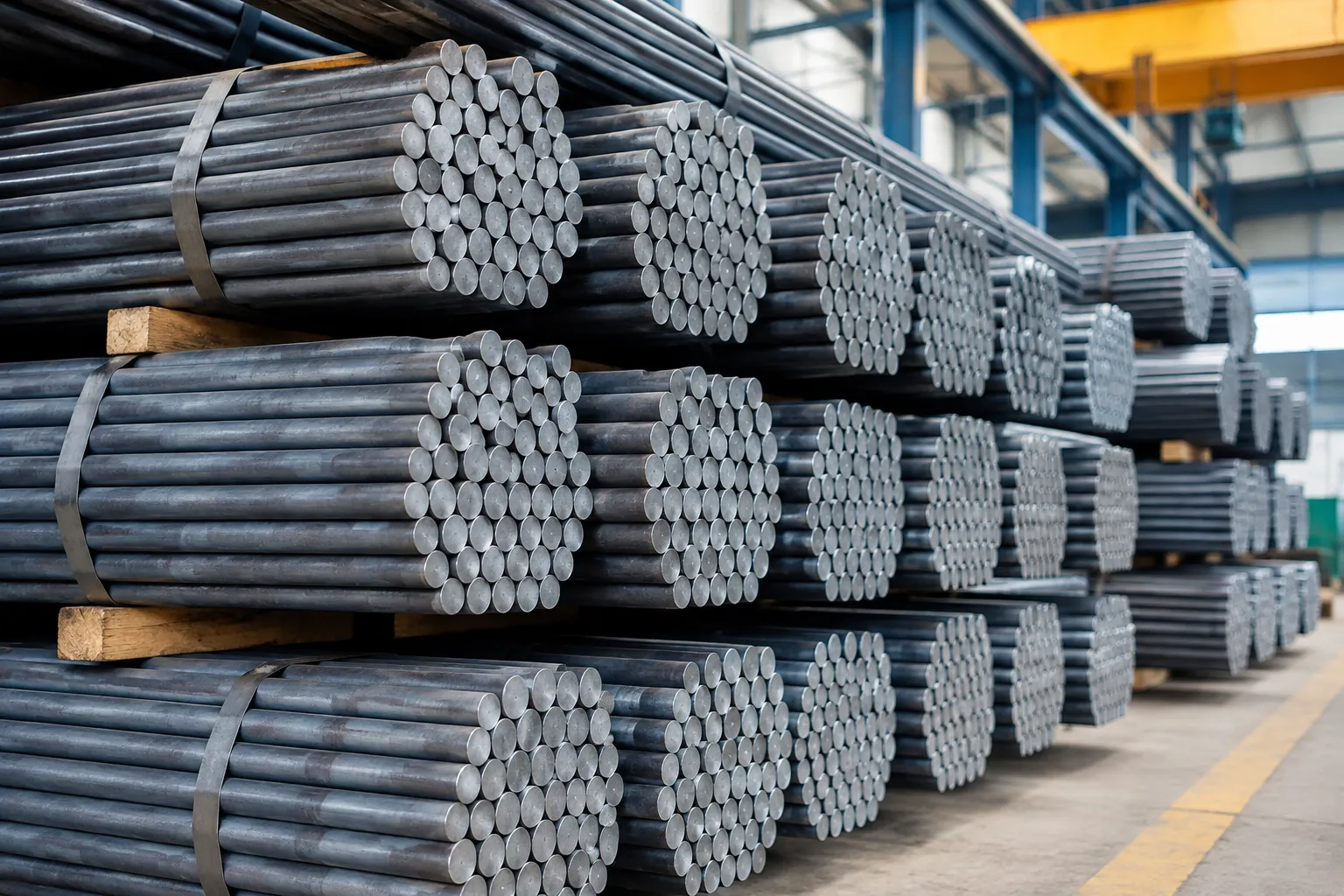
Material selection starts with service requirements.
Special steel round bars are used as material for machined, forged and engineered components across industries where strength, corrosion resistance, heat resistance, toughness, dimensional requirements or reliable machining performance may be important.
The appropriate material depends on the application. Grade, standard, diameter, supply condition, heat treatment, finish, testing and documentation requirements should therefore be considered together rather than selecting a material family in isolation.
Service Conditions
Corrosion exposure, process media and surrounding environment can influence material selection.
Load & Performance
Strength, toughness, hardness and fatigue requirements should reflect the finished component.
Operating Temperature
Elevated or low-temperature service may require grade-specific material characteristics.
Processing & Quality
Machining, forging, heat treatment, finish, testing and documentation should be defined where applicable.
Round bars for demanding operating environments.
The examples below describe common application areas. Final material and grade selection should follow the applicable project specification and service conditions.
Oil & Gas
Oil and gas equipment can place demanding requirements on strength, pressure service, corrosion resistance and component reliability. Round bars may be processed into critical mechanical and flow-control components.
Petrochemical
Petrochemical applications can involve pressure, temperature and corrosive process environments. Material choice should reflect the operating medium, mechanical loading and project specification.
Power Generation
Power-generation components may require combinations of mechanical strength, elevated-temperature performance, dimensional control and dependable machining or forging characteristics.
Chemical Processing
Chemical-processing service can require careful consideration of corrosion, temperature, pressure and compatibility with the process environment. Round bars are used to produce a range of process-equipment components.
Marine
Marine and seawater-adjacent applications often make corrosion resistance and mechanical reliability important considerations. Grade selection depends on exposure, loading and component requirements.
Automotive & Engineering
Engineering and automotive components can require controlled strength, toughness, fatigue performance, hardenability, machinability or heat-treatment response depending on the specific component and grade.
Fabrication
Fabricators and OEMs use round bar as input material for machined, cut, formed or fabricated components. Material grade, dimensional requirements and downstream processing should be defined before ordering.
General Industrial
Industrial machinery and maintenance requirements can span general-purpose machining through demanding mechanical service. The material should be selected around the finished component, operating environment and specification.
Match the material to the application requirement.
Takumi’s product range is organised around four core round-bar material families. Grade-specific suitability depends on the relevant standard, condition and service requirement.
Application comes before material selection.
A material family alone does not define suitability. The finished component, operating environment and project specification should guide the enquiry.
Service Environment
Consider exposure to corrosive media, seawater, atmosphere, process fluids and other environmental conditions.
Mechanical Requirement
Strength, toughness, hardness, wear and fatigue requirements can influence grade and heat-treatment selection.
Operating Temperature
Elevated or low-temperature service may require material characteristics beyond general mechanical performance.
Manufacturing Process
Machining, forging, heat treatment, finish and dimensional requirements should be considered before final specification.
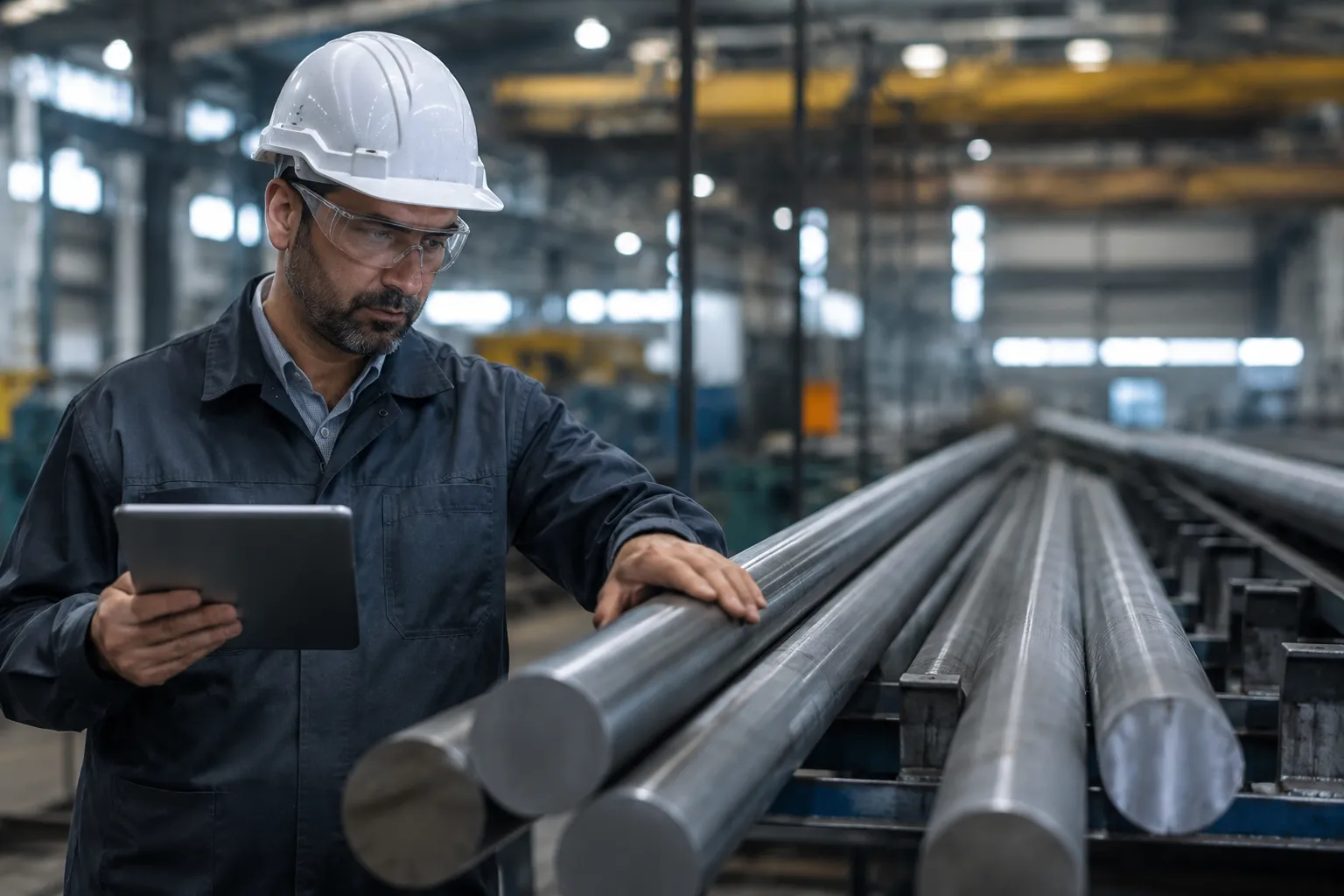
Give us the details behind the application.
A detailed enquiry creates a clearer basis for material review and quotation. Where known, provide the following information with your round-bar requirement.
01
Which industries use special steel round bars?
Special steel round bars are used as material for machined, forged and engineered components across sectors including oil and gas, petrochemical, power generation, chemical processing, marine, automotive, fabrication and industrial machinery.
02
How do I choose the correct round bar material for an application?
Selection should consider the required grade and standard together with mechanical loading, corrosion exposure, operating temperature, component design, machining or forging process, heat treatment and testing requirements.
03
What information should I provide for an industrial round bar enquiry?
Where available, provide material grade, applicable standard, diameter, length, quantity, supply condition, finish, testing requirements, finished component and intended application.
04
Does the same steel grade suit every industry application?
No. Suitability depends on the specific service environment, mechanical and temperature requirements, processing route and applicable project or component specification. The final grade should be evaluated against those requirements.
Discuss your industrial round bar requirement.
Send the material, grade, standard, diameter, length, quantity and application details for technical review and quotation.